


Social Media at Workplace Statistics: How Digital Platforms Are Changing the Way We Work

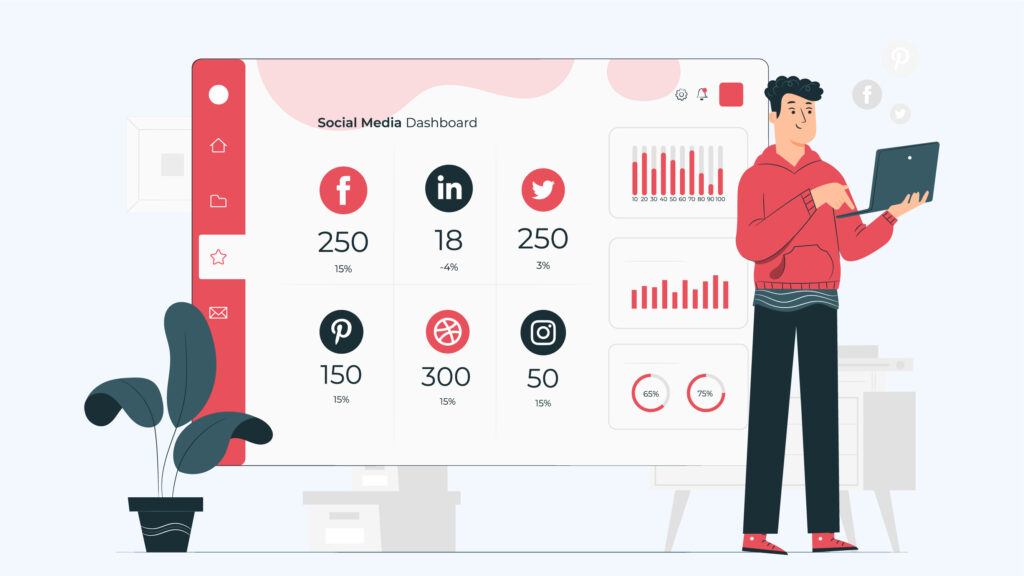
Social media is no longer limited to personal use outside office hours. It has become a regular part of professional life, influencing how employees communicate, collaborate, learn, and even search for new job opportunities. At the same time, excessive use raises concerns around productivity and focus. Understanding social media at workplace statistics helps organizations recognize both the opportunities and challenges of social media in today’s work environment.
The Growing Presence of Social Media at Work
Over the past decade, social media has steadily entered the workplace. According to recent social media at workplace statistics, nearly 79% of employees use social media during work hours. This includes activities such as professional networking, internal communication, customer engagement, and following industry updates.
In addition, around 60% of employees spend at least 30 minutes per day on social media while at work. These numbers show that social platforms are now as common as email or messaging tools in many organizations. For employees, social media often feels like a natural extension of their digital workflow.
Why Employees Use Social Media at Work
Employees use social media at work for various reasons. Many rely on platforms like LinkedIn for professional networking, learning opportunities, and career growth. Others use social media to stay informed about industry trends, competitors, and market changes.
In some organizations, social media is also used for internal communication, especially in remote or hybrid work environments. Quick updates, group discussions, and informal interactions help teams stay connected. However, without clear guidelines, personal use can easily blend into work time, leading to distractions.
Productivity Concerns and Employer Views
Despite its benefits, social media raises productivity concerns for employers. Social media at workplace statistics indicate that 43% of employers believe social media negatively impacts productivity. Frequent notifications, constant scrolling, and multitasking can interrupt concentration and reduce efficiency.
That said, the issue is often not social media itself, but how it is managed. When employees use social platforms without structure or limits, productivity can suffer. On the other hand, when social media is used with purpose, it can support collaboration and communication rather than hinder it.
The Rise of Social Media Policies
To manage these challenges, many organizations have introduced formal rules. Over 54% of companies now have social media policies in place. These policies outline acceptable use during work hours, data security expectations, and professional behavior online.
Rather than banning social media, most companies aim to guide responsible usage. Clear policies help employees understand boundaries while protecting organizations from risks such as data leaks, reputational damage, and legal issues.
Industry Differences in Social Media Usage
Social media usage varies widely across industries. Technology companies lead adoption, with around 85% using social media for team communication and collaboration. These platforms support fast decision-making and are especially useful for distributed teams.
Marketing, media, and creative industries also rely heavily on social media for trend analysis, content creation, and audience engagement. In contrast, industries like finance, healthcare, and government often limit social media access due to compliance and privacy concerns.
These differences highlight that social media strategies should be tailored to specific industry needs rather than applied universally.
Social Media as a Business and Marketing Tool
Beyond internal communication, social media plays a major role in business growth. Approximately 73% of businesses use social media for marketing and brand promotion. Companies rely on social platforms to increase visibility, engage customers, and build brand trust.
Employees also contribute to brand reach by sharing company content or acting as brand advocates. When supported by training and clear guidelines, employee participation can strengthen credibility and engagement.
Recruitment and Job Search Trends
Social media has significantly changed hiring practices. According to social media at workplace statistics, around 79% of job seekers use social media during their job search. Candidates research company culture, values, and employee experiences before applying.
On the employer side, 92% of recruiters rely on social media platforms like LinkedIn to find and evaluate candidates. Recruiters assess skills, experience, and professionalism through online profiles, making social media presence an important part of career development.
Benefits of Social Media in the Workplace
When used effectively, social media offers several advantages. These include faster communication, improved collaboration, better knowledge sharing, and increased employee engagement. Social media at workplace statistics also show that social platforms help maintain connection among remote and hybrid teams.
Informal interactions through social media can boost morale and create a sense of belonging, which is especially valuable in modern flexible work environments.
Risks and Challenges to Consider
Despite the benefits, social media also comes with risks. Productivity loss, cybersecurity threats, and reputational damage are common concerns. Employees may unintentionally share confidential information or post content that conflicts with company values.
To reduce these risks, organizations must invest in employee training. Educating staff about digital responsibility, privacy, and professional conduct is essential for safe and effective social media use.
Finding the Right Balance
The key to successful social media use at work is balance. Social media is neither entirely positive nor entirely negative. Companies that align social media use with clear goals, provide guidance, and encourage responsible behavior tend to see the best results.
Monitoring usage without micromanagement and promoting purposeful engagement can help transform social media into a productivity-supporting tool.
Conclusion
Social media at workplace statistics clearly show that social media is now a permanent part of modern work culture. With 79% of employees using it during work hours, 73% of businesses relying on it for marketing, and 92% of recruiters using it for hiring, its influence continues to grow. At the same time, 43% of employers remain concerned about productivity, leading many organizations to adopt formal policies.
The future of work is not about removing social media from the workplace, but about managing it wisely. Companies that strike the right balance will benefit from stronger communication, improved branding, and better talent acquisition—without sacrificing productivity.


Leave Your Comment